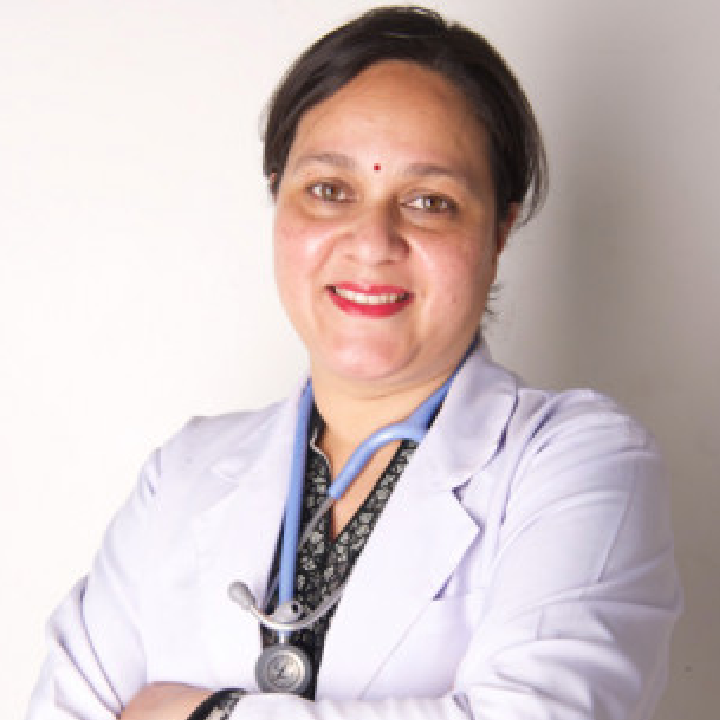
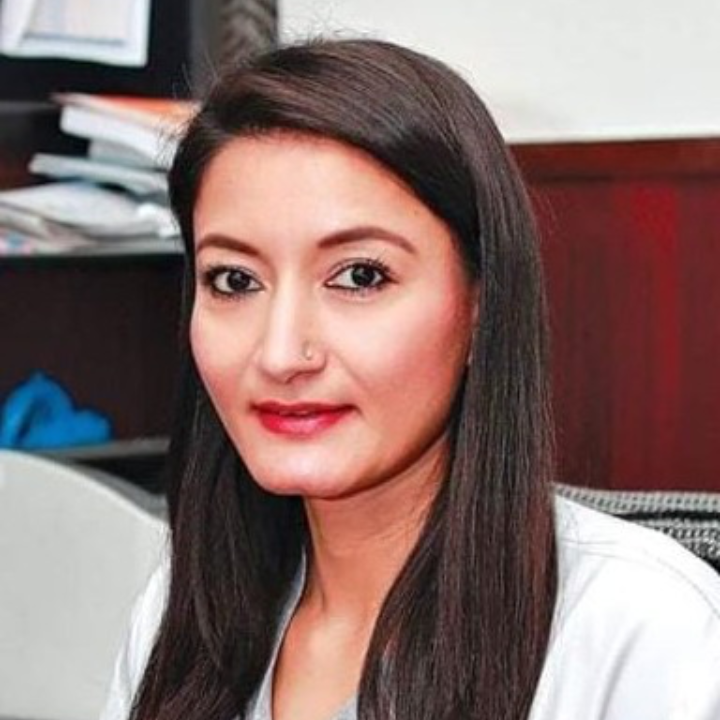
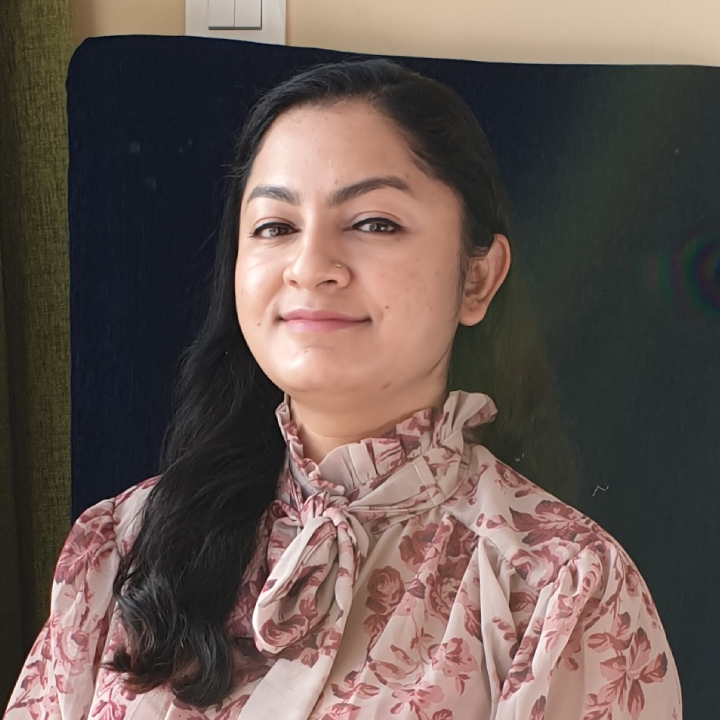
Our Board Members
We are a dynamic non profit organization established to deal with
Polycystic Ovarian Syndrome.






Join us in a Noble Pursuit !
Be a part of our transformative mission to make a lasting impact, as we strive to empower lives
and create a healthier future together.
Quick Info
Frequently Asked Questions
PCOS stands for Polycystic Ovary Syndrome, which is a hormonal disorder that affects women of
reproductive age. It is a common condition characterized by a variety of symptoms, including irregular
or absent menstrual periods, excess androgen (male hormone) levels, and the presence of multiple small
cysts on the ovaries.
Currently, the exact cause of PCOS is unknown. Some experts lean toward the theory that it might be a
genetic, inherited condition since women who have it are more likely to have a sister or mother who
also has it. Most feel that women with PCOS have a defect in insulin i.e. insulin resistance,
increased levels of hormones called androgens and increased LH/FSH ratio.
Common signs of polycystic ovary syndrome (PCOS) include the following:
- - Irregular menstrual periods—Menstrual disorders can include absent periods, periods that occur
infrequently or too frequently, heavy periods, or unpredictable periods.
- - Infertility—PCOS is one of the most common causes of female infertility.
- - Obesity—As many as 4 in 5 women with PCOS are obese.
- - Excess hair growth on the face, chest, abdomen, or upper thighs—This condition, called
hirsutism, affects more than 7 in 10 women with PCOS.
- - Severe acne or acne that occurs after adolescence and does not respond to usual treatments
- - Oily skin
- - Patches of thickened, velvety, darkened skin called acanthosis nigricans
- - Multiple small fluid-filled sacs in the ovaries
Three criteria determine if you have PCOS. Irregular menstrual cycles since puberty (when not on
hormones), signs of androgen excess (excessive hair growth, acne or an elevated blood testosterone
level) and PCOS appearing ovaries by ultrasound. To have the diagnosis of PCOS you on need to meet 2
of the 3 above mentioned criteria.
The long term health risks for patients with PCOS include:
Hypertension
Diabetes
Impaired glucose tolerance
Coronary Artery disease
Endometrial cancer
Hypercholesterolemia with low HDL
Gestational diabetes
Sleep apnea
Depression
It might. Because it is a hormonal imbalance, it can hamper normal ovulation and cause female
infertility as well as sub-fertility.
For women who are overweight, weight loss alone may regulate the menstrual cycle. Even a small loss of
weight of 10% may be helpful in making menstrual periods more regular. Weight loss also has been found
to improve cholesterol and insulin levels and relieve symptoms such as excess hair growth and acne,
improved ovulation. This would help in conception.
No, there isn’t. It can be managed with the appropriate treatment prescribed by doctors, but not
cured. Weight loss may help improve the symptoms in a lot of women with PCOS.
Combined hormonal birth control pills can be used for long-term treatment in women with PCOS who do
not wish to get pregnant. Combined hormonal pills contain both estrogen and progestin. These birth
control pills regulate the menstrual cycle. They also can reduce hirsutism and acne. And they can
decrease the risk of endometrial cancer.
Insulin-sensitizing drugs used to treat diabetes frequently are used in the treatment of PCOS. These
drugs help the body respond to insulin. In women with PCOS, they can help decrease androgen levels and
improve ovulation. Restoring ovulation may help make menstrual periods regular and more predictable.
Contact
Need Help? Contact Us
Our Address
Thapathali, Kathmandu
Email Us
info.pcos@gmail.com
Call Us
+1 5589 55488 55
Opening Hours
Mon-Sat: 11AM - 23PM;
Sunday: Closed